
“Rain, Rain, Go Away” is one of the most well-known nursery rhymes in the English-speaking world. From homes and nurseries to playgroups and early learning centres across the UK, this simple rhyme has been passed down from generation to generation. Its gentle rhythm, easy language, and connection to everyday weather make it especially relatable for young children.
In this blog, we explore the meaning of “Rain, Rain, Go Away,” its poet and origin, and why this traditional rhyme continues to hold an important place in British childhood and early education.
Rain, Rain, Go Away – The Classic Nursery Rhyme
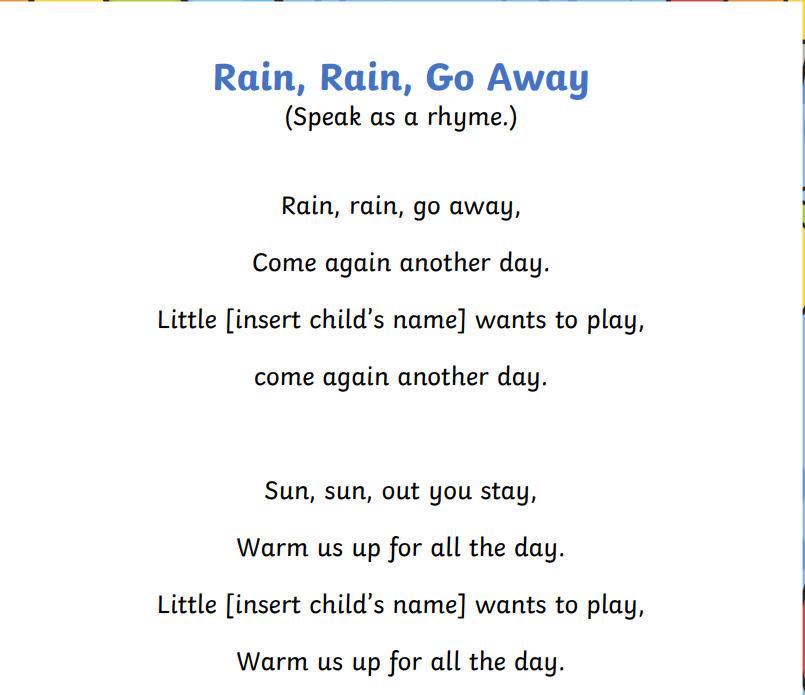
The rhyme is commonly recited as:
Rain, rain, go away,
Come again another day.
Little [child’s name] wants to play,
Come again another day.
Some versions also include a positive follow-up verse welcoming sunshine, which adds warmth and optimism to the rhyme. The simplicity of the lyrics allows parents and teachers to personalise it by adding a child’s name, making it more engaging and fun.
Who Is the Poet of “Rain, Rain, Go Away”?
Unlike modern poems, “Rain, Rain, Go Away” does not have a known individual author.
Poet: Anonymous
Origin: Traditional English Nursery Rhyme
Period: 17th–18th Century (approx.)
This rhyme is part of English oral folklore, meaning it was shared verbally long before it was written down. The earliest recorded versions appear in England during the 17th century. Because it was passed through speech rather than print, the original poet remains unknown.
In the UK, many popular nursery rhymes follow this tradition, reflecting everyday life, weather, and emotions in a way children can easily understand.
Meaning and Explanation of the Rhyme
1. A Child’s Perspective on Rain
The line “Rain, rain, go away” expresses a child’s natural frustration with bad weather. Rain often stops outdoor play, especially in the UK, where weather can be unpredictable. The rhyme gives children a simple way to express this feeling.
2. Learning Patience and Acceptance
“Come again another day” gently teaches patience. Rather than rejecting rain completely, the rhyme suggests that rain has its own time and place. This introduces children to the idea that not everything happens exactly when we want it to.
3. Positivity and Hope
The sunshine verse brings balance and optimism. It reminds children that after rain, brighter days return. This subtle message of hope makes the rhyme emotionally comforting and positive.
Cultural Importance of the Rhyme in the UK
Weather plays a big role in British daily life, and rain is a familiar experience for children growing up in the UK. This makes “Rain, Rain, Go Away” especially relevant and relatable.
Why It’s Popular in the UK:
- Easy for toddlers to pronounce
- Reflects common British weather
- Used in nurseries, preschools, and EYFS learning
- Encourages early speech and listening skills
Many UK parents use this rhyme during playtime, rainy days, or bedtime routines.
Educational Benefits for Children
“Rain, Rain, Go Away” is more than entertainment. It supports early childhood development in several ways:
- Language development: Repetitive words and rhymes build vocabulary
- Memory skills: Simple patterns help children remember phrases
- Emotional expression: Children learn to express feelings naturally
- Nature awareness: Introduces basic weather concepts like rain and sunshine
Because of these benefits, nursery rhymes like this are often included in early learning frameworks across the UK.
Read also:-
Conclusion:-
“Rain, Rain, Go Away” remains one of the most loved traditional English nursery rhymes in the UK. Its anonymous origins, simple lyrics, and meaningful message make it timeless. By combining emotional expression, nature awareness, and early learning, this rhyme continues to play an important role in childhood development.
Whether you are a parent, teacher, or children’s content creator, this classic rhyme will always have a place in British culture and early education.